Unlock driving freedom faster with an intensive driving course. Learn quickly in just weeks, building confidence and skills with intensive lessons.
Unlock driving freedom faster with an intensive driving course. Learn quickly in just weeks, building confidence and skills with intensive lessons.
Test Centre: Wood Green
Date: 22nd April 2026
Test Centre: Pinner
Date: 31th April 2026
Test Centre: Croydon
Date: 4th May 2026
Test Centre: Erith
Date: 7th May 2026
Test Centre: Barking (Tanner Street)
Date: 9th May 2025
Test Centre: Isleworth
Date: 18th May 2026
Test Centre: Hendon
Date: 4th May 2025
Test Centre: Hither Green
Date: 27th May 2026
Test Centre: Tolworth (London)
Date: 1st May 2026
Test Centre: Tolworth (London)
Date: 1st May 2026
Feeling stuck in a cycle of weekly driving lessons where you spend half the time just recapping? If your progress feels slow, you’re not alone. There is a much faster way to build momentum and get your license.
An intensive driving course is designed to solve this problem. Think of it like cramming for an important exam instead of studying for an hour each week. This approach helps beginners learn to drive quickly by packing months of instruction into just a few weeks.
In practice, this condensed format helps skills stick, building your confidence with every session. For many, it's the fast-track solution to pass your driving test in a week or two, unlocking the freedom of a new license for a job, a move, or a new chapter in life.
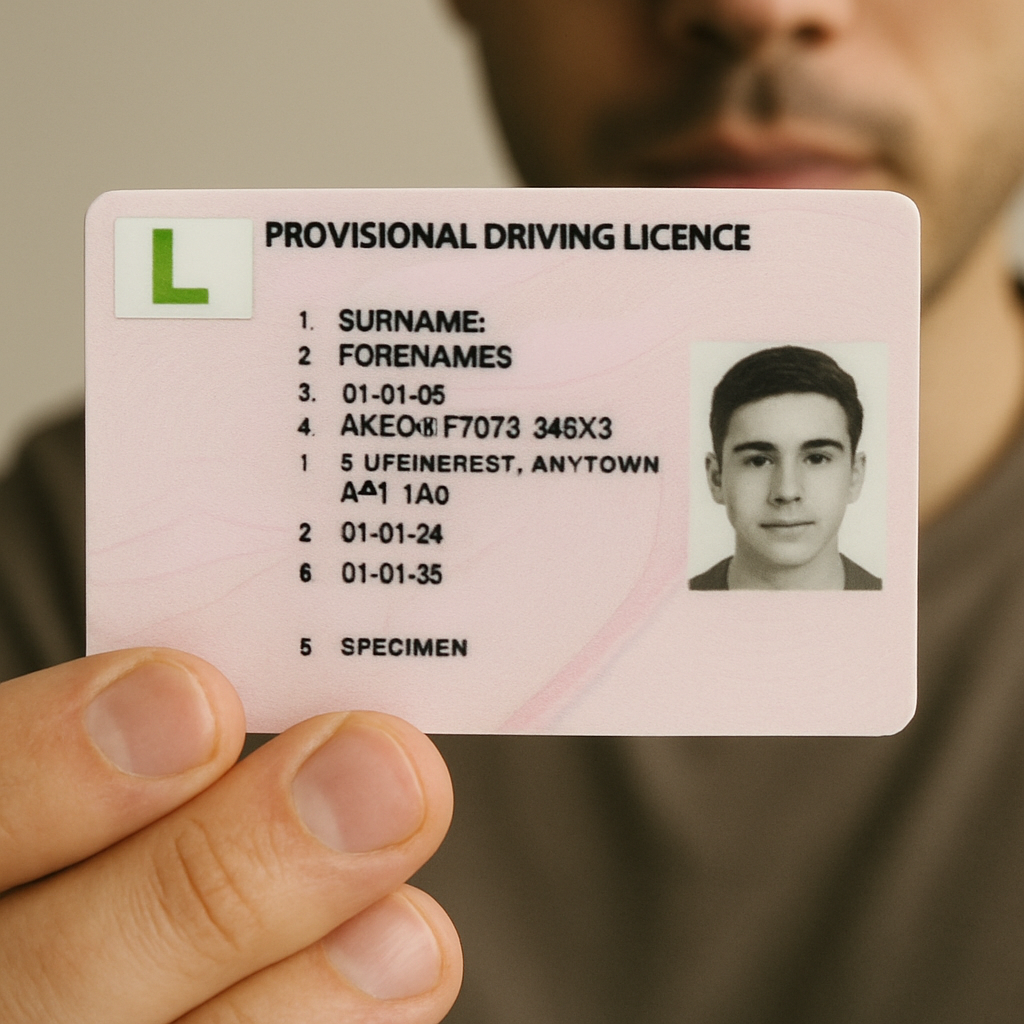
Eager to get on the road? The very first step, even before lessons begin, is getting your provisional licence. Think of this as your learner's permit; it’s the official card you need to legally drive with an instructor and, crucially, to book your theory test. Without it, you can’t get started.
With your provisional licence in hand, the next hurdle is the driving theory test. Here’s a key fact many people miss: you cannot book a practical driving test until you have passed the theory. Since intensive courses are designed to end with your practical test, passing the theory test is a non-negotiable rule.
Getting this sequence right—provisional first, theory test second—is crucial to avoid delays and disappointment. Once you have that pass certificate, a driving school can then focus on booking a fast-track driving test for you to cap off your training. But is this concentrated learning style the best fit for your needs?
The choice between a crash course and weekly lessons is like the difference between cramming for a final exam or studying a little each week. One gets you there fast; the other spreads the effort out. The right answer depends entirely on your personality, schedule, and budget.
With an intensive course, you drive daily. This constant practice is brilliant for building muscle memory. Instead of spending the first 20 minutes of a weekly lesson remembering clutch control, your skills compound quickly. You're always moving forward, which is a major reason some people find these courses are well worth it.
However, the intensity isn't for everyone. Driving for several hours a day can be mentally draining, and it requires a large upfront payment. Weekly lessons offer more flexibility, allowing you to pay as you go and fit driving around your life without the risk of burnout.
Ultimately, it's a trade-off. Here are the main pros and cons of block booking driving lessons intensively:
The biggest factor isn't the car—it's you. Are you someone who learns well under pressure, or do you prefer to take things slow? The best fast pass driving course is one that fits your temperament. If you thrive on focused, immersive learning and can handle a steep learning curve without getting overwhelmed, you’re an ideal candidate. This approach is built for people who want to block out all distractions and just get it done.
Next, consider your calendar. An intensive course is exactly that: intense. To learn to drive quickly, beginners must be prepared to dedicate several hours a day, every day, often for a full week or more. It’s a genuine, full-time commitment that requires clearing your schedule completely, which can be difficult to arrange around work, family, or other obligations.
Finally, be honest about your confidence. For extremely nervous beginners, the high-pressure environment can sometimes feel like too much, too soon. A slower pace often builds more lasting confidence in these cases. If you feel this fast-track approach does suit you, the next step is understanding the investment involved.
When considering the investment, you'll find that prices for a one-week intensive course typically range from £1,000 to over £2,500. This variation depends on your locati0n, the instructor's experience, and the total number of driving hours packed into the week. While the upfront cost is higher than weekly lessons, the focused structure often means you need fewer hours overall, potentially saving you money in the long run.
You may also encounter offers for a "guaranteed pass driving course." It's crucial to understand what this really means. This isn't a magical promise you'll pass first time. Instead, it’s a form of insurance; if you don't pass, the school will typically cover the cost of a future test and may include a few extra remedial lessons. It’s a safety net, not a shortcut.
Finally, before you commit, always ask if you’re getting a driving course with the test included. The practical driving test itself costs around £62, and some schools add this as a separate fee on top of their advertised price. Clarifying this detail helps you accurately compare costs and avoid any unexpected bills as you approach test day.
With so many companies offering a fast pass to your licence, how do you choose a good one? The key is to ask the right questions before you hand over any money. A few simple checks can separate the legitimate professionals from the risky operators, ensuring your investment is safe.
Before committing, use this quick vetting checklist. Ask the provider:
Pay close attention to that last point. A major red flag is a school that is vague about your test date. Reputable providers, including those offering residential driving courses in the UK, will secure your test slot upfront. An empty promise of "we'll find you a test later" can leave you with skills that fade while you wait indefinitely for a test that never materializes.
Now that you understand the process, here is your simple, four-step plan for booking a fast-track driving test and getting on the road quickly:
📚 Part of our Driving Test Booking Guide
This article is part of our comprehensive guide. View all Driving Test Booking articles →