Navigate the UK's driver training regulations with ease, from driver training courses to HGV and ambulance driver training UK. Get your driving journey started today!
Navigate the UK's driver training regulations with ease, from driver training courses to HGV and ambulance driver training UK. Get your driving journey started today!
Test Centre: Wood Green
Date: 22nd April 2026
Test Centre: Pinner
Date: 31th April 2026
Test Centre: Croydon
Date: 4th May 2026
Test Centre: Erith
Date: 7th May 2026
Test Centre: Barking (Tanner Street)
Date: 9th May 2025
Test Centre: Isleworth
Date: 18th May 2026
Test Centre: Hendon
Date: 4th May 2025
Test Centre: Hither Green
Date: 27th May 2026
Test Centre: Tolworth (London)
Date: 1st May 2026
Test Centre: Tolworth (London)
Date: 1st May 2026
Before booking a lesson, try this simple test: can you read a car number plate from 20 metres away? This isn't a random check; it's the official eyesight test your examiner uses, making it the true starting line for every new driver.
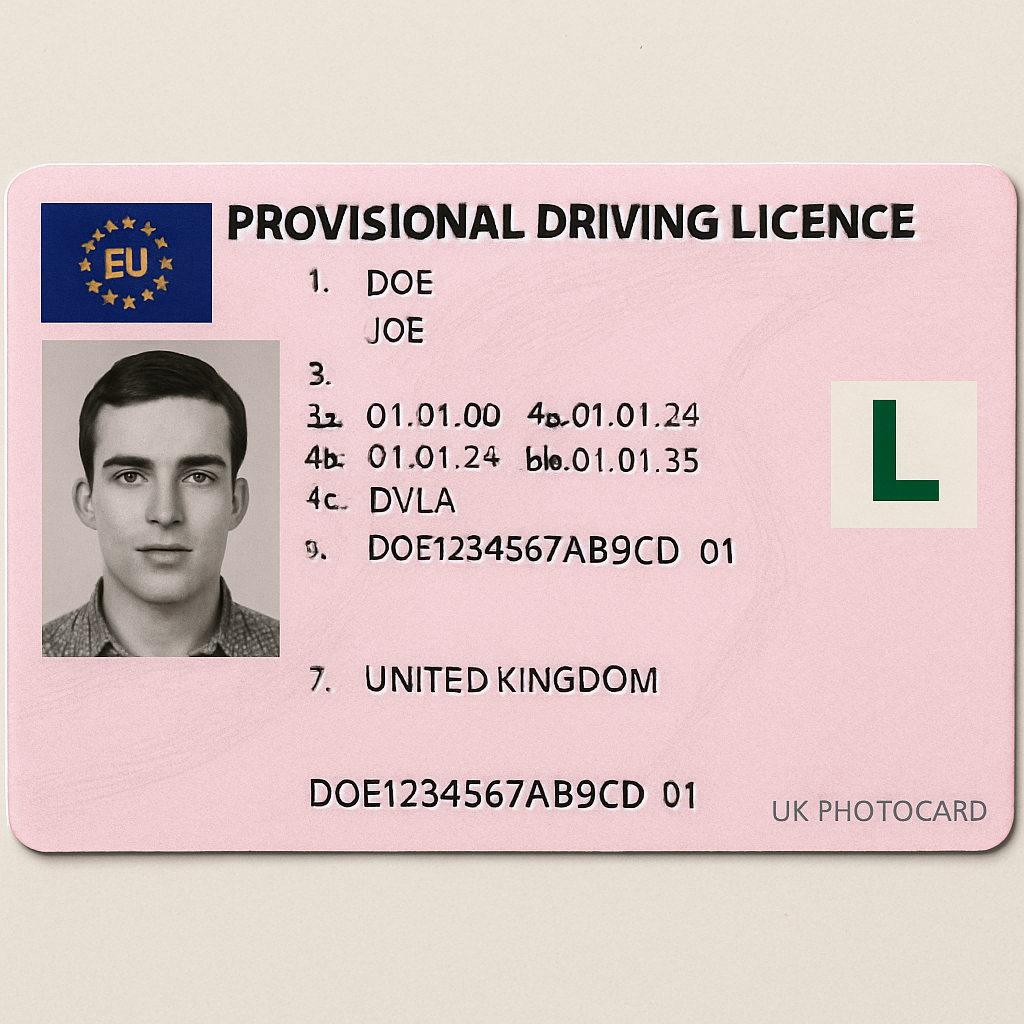
Ready to apply? The main provisional licence requirements are that you:
Always use the official GOV.UK website for your application. It’s the only place to learn how to apply for a provisional licence in the UK and protects you from paying extra fees on imitation sites.
Once your licence arrives, you can officially start. It allows you to drive on public roads with an approved driving instructor or a supervising friend or family member who meets the legal criteria.
With your provisional licence ready, the next step is the theory test. This computer-based exam has two parts you must pass together: multiple-choice questions on the Highway Code, and a Hazard Perception Test to assess your awareness of developing dangers on the road.
The Hazard Perception section involves clicking as a potential danger unfolds in a video clip. To score high, you need to click early as the hazard develops. However, clicking randomly or too often will score you zero for that clip, making it a true test of observation.
To prepare for the UK theory test, your best bet is to use the official practice apps from the DVSA (the governing body that sets the exam), as they perfectly match the real test. Passing your theory is the green light needed to book a practical test, clearing the way to focus on your hands-on lessons.
With your theory test passed, it's time to get behind the wheel. The first step is choosing a good driving instructor. Always look for a fully qualified Approved Driving Instructor (ADI), who must display a green octagonal badge in their car's windscreen. This is your assurance that they have met high government standards for safety and teaching quality.
Next, consider your learning pace. Many learners opt for traditional weekly lessons, which are flexible and allow you to spread the cost. Alternatively, an intensive driving course packs all your training into one or two weeks—great for learning quickly if you can dedicate a solid block of time.
A key decision is whether to learn in a manual or automatic car. Learning in an automatic is often simpler, but passing your test in one will only qualify you to drive automatics. Passing in a manual car is typically more challenging, but it gives you a licence to drive both manual and automatic vehicles.
Once you’ve settled on an instructor, a schedule, and a car type, you’re ready to book that first lesson and start building your on-the-road skills.
Feeling nervous about your first driving lesson is completely normal. You won’t be thrown onto a busy main road. Instead, your instructor will drive you to a quiet locati0n, like a side street or an empty car park, where you can learn without pressure.
Before you move, you’ll be guided through a crucial safety routine known as the ‘cockpit drill’. This is a sequence of checks to ensure the car is perfectly set up for you, involving adjusting your seat, steering wheel, and mirrors so you’re comfortable and have a clear view.
The goal of this first session is to familiarize you with the car’s basic controls, not to master complex manoeuvres. Your instructor knows you’re a complete beginner and will be patient. Once you start getting the hang of these fundamentals, you may want to supplement your lessons with extra time on the road.
Private practice with a family member or friend is a fantastic way to build your confidence and experience. The law is specific: your supervising driver must be over 21 and have held a full, valid driving licence for your car type (manual or automatic) for at least three years.
The car itself must also be properly prepared. This means displaying L-plates clearly on the front and back and having the correct insurance. You must be specifically covered for that vehicle, either by being added to the owner’s policy or by taking out special learner driver insurance.
Use this private practice to cement the skills your instructor has taught you, not to learn complex new manoeuvres. This reinforcement makes you a safer, more prepared driver for the final test.
With your skills sharp, it’s time for the practical test, which assesses your safety, not perfection. A common reason for failing is ineffective observation at junctions, so make thorough checks your priority.
Your test will include vehicle safety questions, known as the 'Show Me, Tell Me' section. You'll be asked one 'Tell Me' question before driving and one 'Show Me' question while on the move. For example:
A large portion of the test is independent driving. For about 20 minutes, you will follow directions from a sat nav or by reading road signs. Don’t worry about taking a wrong turn; the examiner is checking if you can drive safely, not if you're a perfect navigator.
Understanding these components helps remove the fear of the unknown. When you feel ready, you can book your practical driving test online through the GOV.UK website.
Your first step as a qualified driver is to build confidence on the road. Since standard lessons don't cover motorways, a Pass Plus course is a brilliant way to gain experience. These structured motorway driving lessons build skill where you need it most and can even help lower your insurance premiums.
Passing your test isn’t the end of learning; it’s the beginning. Embracing the rules for new drivers and using optional P-plates are signs of a smart, responsible driver. You are now equipped not just to drive, but to keep improving with every mile. The road ahead is yours.
📚 Part of our Driving Test Booking Guide
This article is part of our comprehensive guide. View all Driving Test Booking articles →